Blood pressure is one of the four primary vital signs measured during every outpatient medical encounter. It quantifies the force that your circulating blood exerts against the internal walls of your blood vessels as your heart beats and rests.
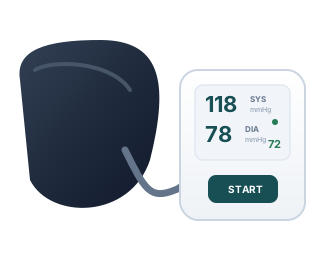 A digital monitor showing normal systolic (118 mmHg) and diastolic (78 mmHg) pressure with pulse rate (72 bpm).
The Top Number: Systolic Pressure (SYS)
The first and higher number in a blood pressure reading is your systolic pressure. It measures the maximum pressure inside your arteries when your heart muscle contracts (beats) and forcefully pushes oxygenated blood into systemic circulation.
An ideal systolic reading for most healthy adults is generally under 120 mmHg (millimeters of mercury).
The Bottom Number: Diastolic Pressure (DIA)
The second and lower number is your diastolic pressure. It measures the residual resting pressure in your arteries between heartbeats, when the cardiac muscle pauses to refill with blood before the next pump.
An ideal diastolic reading for most healthy adults is generally under 80 mmHg.
“Consistently managing your blood pressure within a healthy range is one of the most powerful, evidence-backed actions you can take to protect your brain, heart, and kidneys over your lifetime.”
Blood Pressure Category Guidelines (AHA/ACC)
| Category |
Systolic (SYS) |
Diastolic (DIA) |
| Normal |
Less than 120 |
and Less than 80 |
| Elevated |
120 – 129 |
and Less than 80 |
| Stage 1 Hypertension |
130 – 139 |
or 80 – 89 |
| Stage 2 Hypertension |
140 or higher |
or 90 or higher |
5 Tips for Accurate Home Readings
- Rest first: Sit quietly with your feet flat on the floor and back supported for 5 minutes prior to pressing start.
- Avoid caffeine & exercise: Do not smoke, drink coffee, or engage in vigorous physical activity for 30 minutes before testing.
- Proper cuff placement: Place the cuff on bare skin, approximately one inch above the bend of your elbow, with your arm resting on a table at heart level.
- Take duplicate readings: Take two readings one minute apart and record the average.
- Log your numbers: Bring your written or smartphone reading log to your next appointment.
Medical Advice Disclaimer: This article is provided for educational purposes and should not be used as a substitute for professional diagnosis or individualized treatment. If your blood pressure reading ever exceeds 180 systolic or 120 diastolic accompanied by chest pain, shortness of breath, or neurological symptoms, call 911 immediately.
Have questions about your blood pressure?
Schedule a preventive wellness exam or chronic care consultation with a Cedar Grove clinician.
Book Blood Pressure Consultation →